







About the SP Theatre Academy
Inaugurated in the city of São Paulo in 2010, the SP Escola Superior de Teatro – Faculdade das Artes do Palco (SP Theatre Academy – Faculty of Performing Arts) proposes new challenges for the teaching of Performing Arts in Brazil. With a bold pedagogical model, the institution takes artistic, human, critical, and civic sensibilities and potentialities as the prisms of its training.
The project to create the School was developed from 2005 to 2009 and is guided by three pillars: regular courses, extension courses, and the Kairós Program (currently the Opportunities Program). These three axes underpin the systemic functioning of the Institution’s sectors, encompassing different artistic and pedagogical actions.
The increase in theatrical production and the consequent demand for labor were some of the driving forces that led to the emergence of the School, attentive to the need for initiatives that democratize access to artistic training for the population.
Motivated by its simple and direct objective – “artists who train artists,” as defined by its slogan – the School articulates proposals such as, on a social level, the interaction with students receiving scholarships, an action that democratizes access to the theatrical world for different segments of the population; and, in the pedagogical system, the joint exploration of the field of knowledge by teachers and students.
Association of Artists Friends of the Square
Associação dos Artistas Amigos da Praça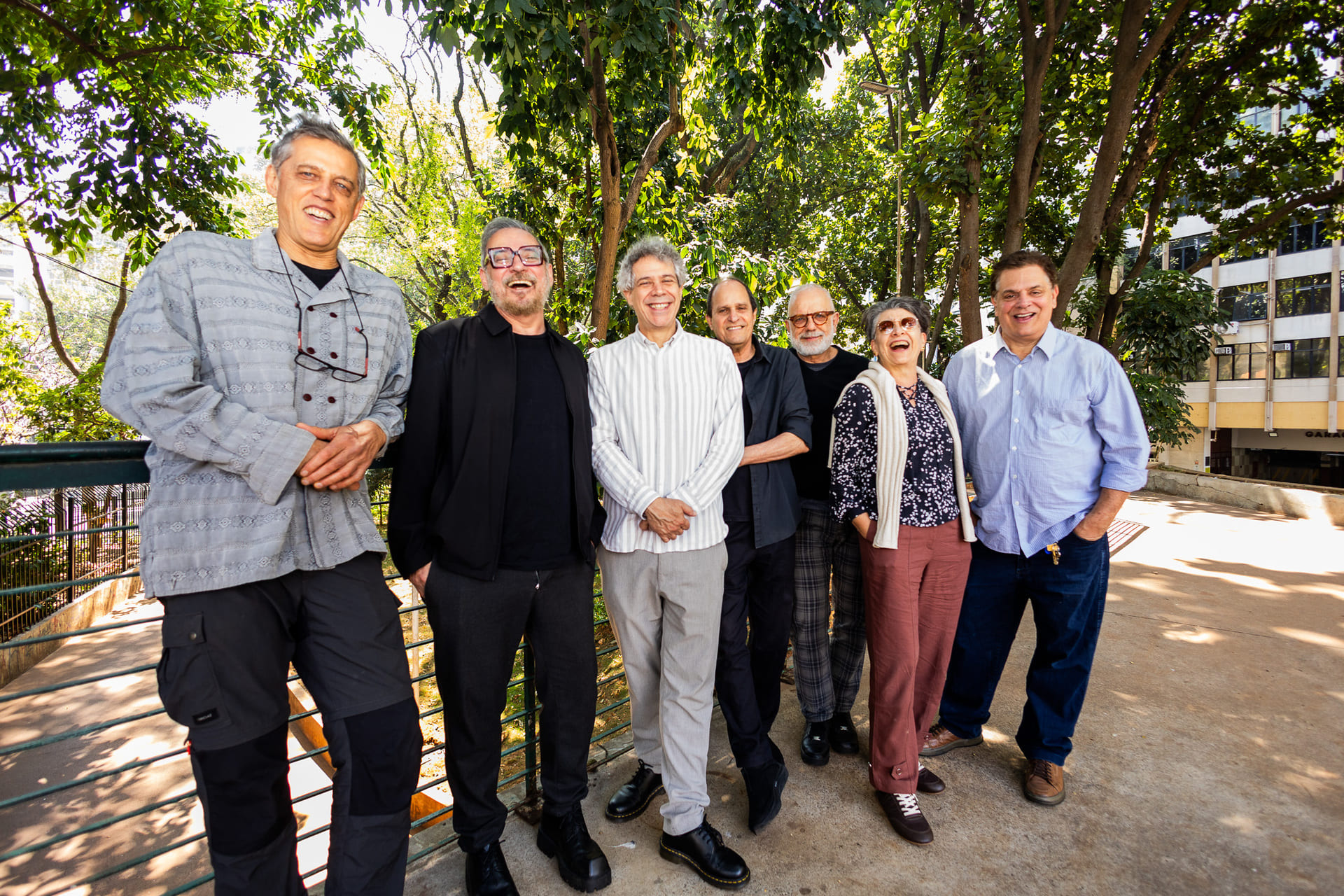
The SP Escola Superior de Teatro is an institution of the Secretariat of Culture, Economy and Creative Industries of the State of São Paulo, managed by the Association of Artists Friends of the Square (Adaap).
Adaap is a Social Organization and an example of the public policy management model that has been implemented by the State government since 2004, based on Complementary Law No. 846/98 and State Decree No. 43,493/98. Through publicization, or non-state public management, public services and activities are managed through partnerships between the State and the third sector.
This means that we are a non-profit, third-sector institution that works in partnership with the state of São Paulo through a management contract. Qualified based on criteria defined by law, Social Organizations work in partnership with the governments of federated entities in the management of artistic, cultural, and training facilities and programs.
The idea for organizing the SP Escola Superior de Teatro (SP Theatre Academy) took shape in meetings of professionals linked to cultural groups and spaces in the central region of São Paulo, mainly around Praça Franklin Roosevelt – a space revitalized in the 2000s, and which today functions as a kind of epicenter of artistic production in São Paulo.
The groups that settled there have recontextualized the geography of the region. Since the revitalization of the square, these collectives have occupied alternative spaces and established partnerships with some residents and merchants in the surrounding area, contributing decisively to transforming interpersonal relationships in a place that was previously strained by urban violence.
Roosevelt Square is currently a symbol of artistic gathering in the capital of São Paulo. Surrounding it are theaters, bars, and restaurants in tune with the local cultural scene. Some of the artists who participate in this unifying spirit are those who decided to take on the commitment of directing the SP Theatre Academy, an institution managed by the Association of Artists Friends of the Square (ADAAP) and maintained with funds from the Secretariat of Culture, Economy and Creative Industries of the State of São Paulo.
Structure
When it opened in 2010, the SP Escola Superior de Teatro (SP Theatre Academy) had its first unit in a historic building in the Brás neighborhood, the expanded center of the city. Built in 1913 and listed as a historical landmark, the building previously housed the Escola Normal do Brás (Brás Normal School).
The second campus of the SP Escola Superior de Teatro (SP Theatre Academy) opened in 2012 in Praça Roosevelt, one of the main tourist spots in the city of São Paulo, known for its theatre, film and nightlife scene.
Both units comply with accessibility standards and have a maintenance team as well as a production team, which assist students and teaching artists in their academic activities.
